

PayTech
Rebuilding cross-border payment routes for a fragmented world
Payment leaders are rethinking local acceptance, routing, settlement, and treasury as global expansion becomes an operating-model decision.
Payment technology is more than a checkout interface. This desk follows the full operating route: acceptance, authorization, routing, clearing, settlement, treasury, reconciliation, fraud controls and customer recovery.
Follow the route from customer acceptance to available cash. The editorial focus is on who owns each transition, which evidence survives a failure, and how regulation changes the operating design.
India coverage separates live capabilities from announced links and explains participant roles, permissions, settlement consequences and customer safeguards without turning infrastructure reporting into product promotion.
Payment speed matters alongside false declines, fraud losses, reconciliation lag, liquidity, exception value and recovery time. Those measures connect technical performance to a financial result.
Payment leaders are rethinking local acceptance, routing, settlement, and treasury as global expansion becomes an operating-model decision.

The BRICS New Delhi Declaration keeps cross-border payment and messaging interoperability work with its Payment Task Force and calls for stronger cooperation against payment-system fraud, without creating a common rail, rulebook or timetable.

UPI now adds NFC tap-to-pay at point-of-sale terminals and MyUPI customer support built on NPCI’s domain-specific language-model work.
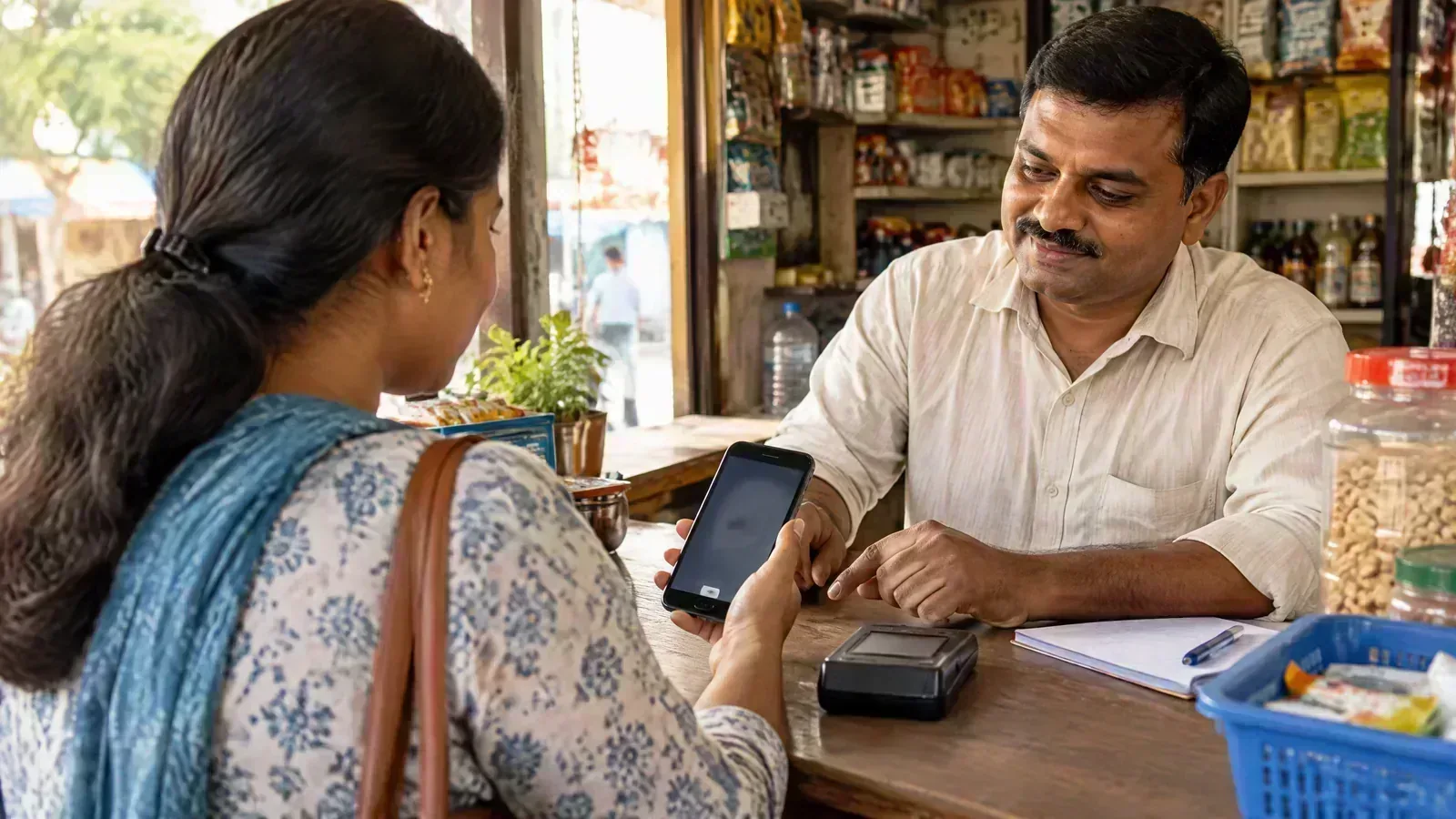
The in-app service brings household and financial bill categories into WhatsApp through Bharat Connect, with UPI and card payment options.

A live Singapore–United States dollar payment settled in minutes through Swift’s Digital Ledger outside conventional banking hours.

The partnership is designed to connect familiar bank payment messages with settlement across public and private blockchain networks.

Qatar’s central bank and three local commercial banks joined AFAQ, completing participation by all GCC central banks.
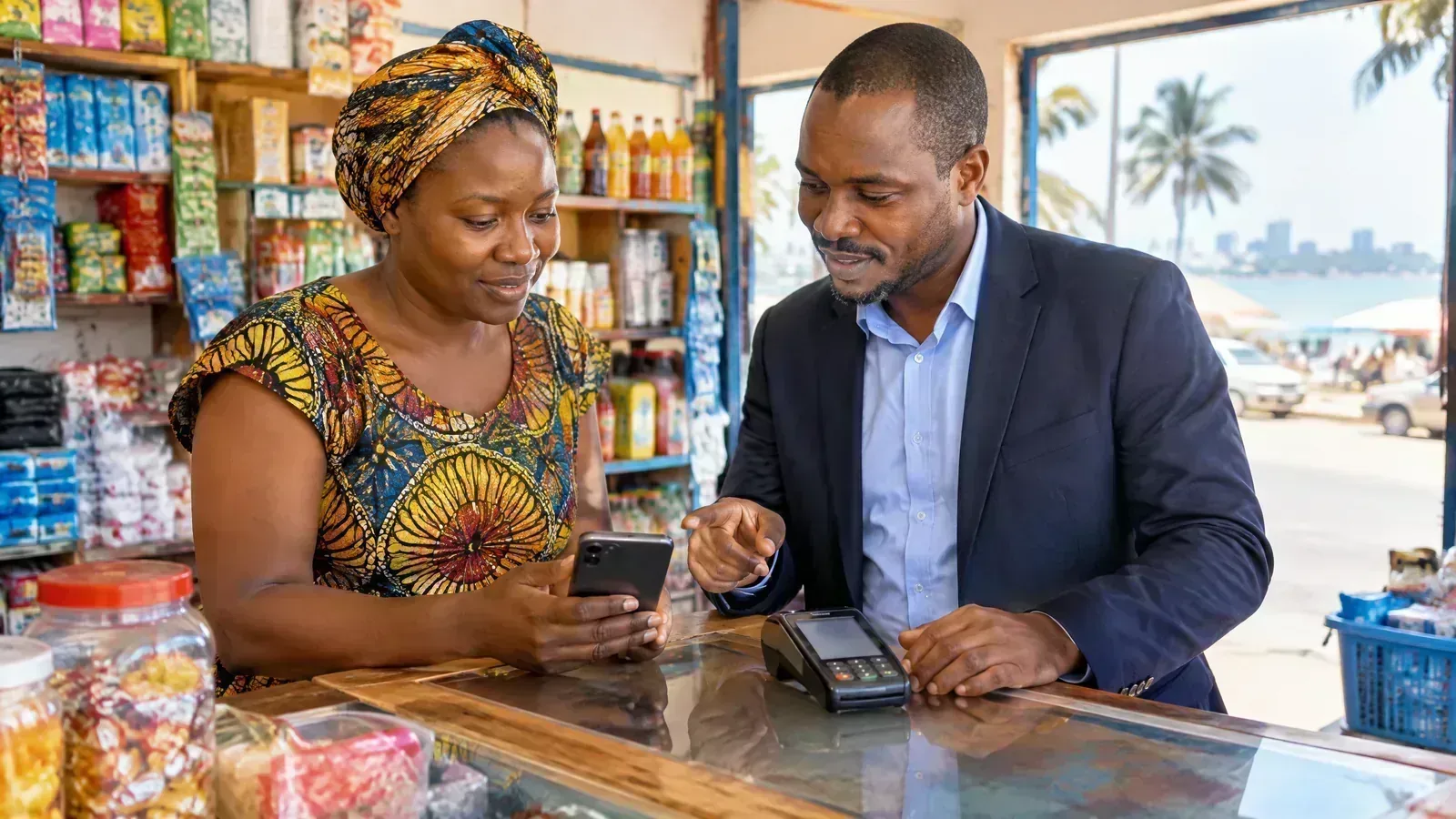
A memorandum signed in Mozambique is designed to connect Paga Fácil collections with Absa accounts for merchant settlement and agent liquidity.

PB Fintech’s platform brings UPI, cards, net banking, wallets, EMI and recurring mandates into one merchant integration.

Two central-bank ecosystem memoranda will explore first-category payment-organisation access for VEON companies and demonstrate an AI-enabled SupTech platform with Alatau City Authority.

The first external funding tranche aligns bank capital and design participation around production-readiness for regulated tokenized deposits.