
Two UPI MDR developments arrived on 27 September
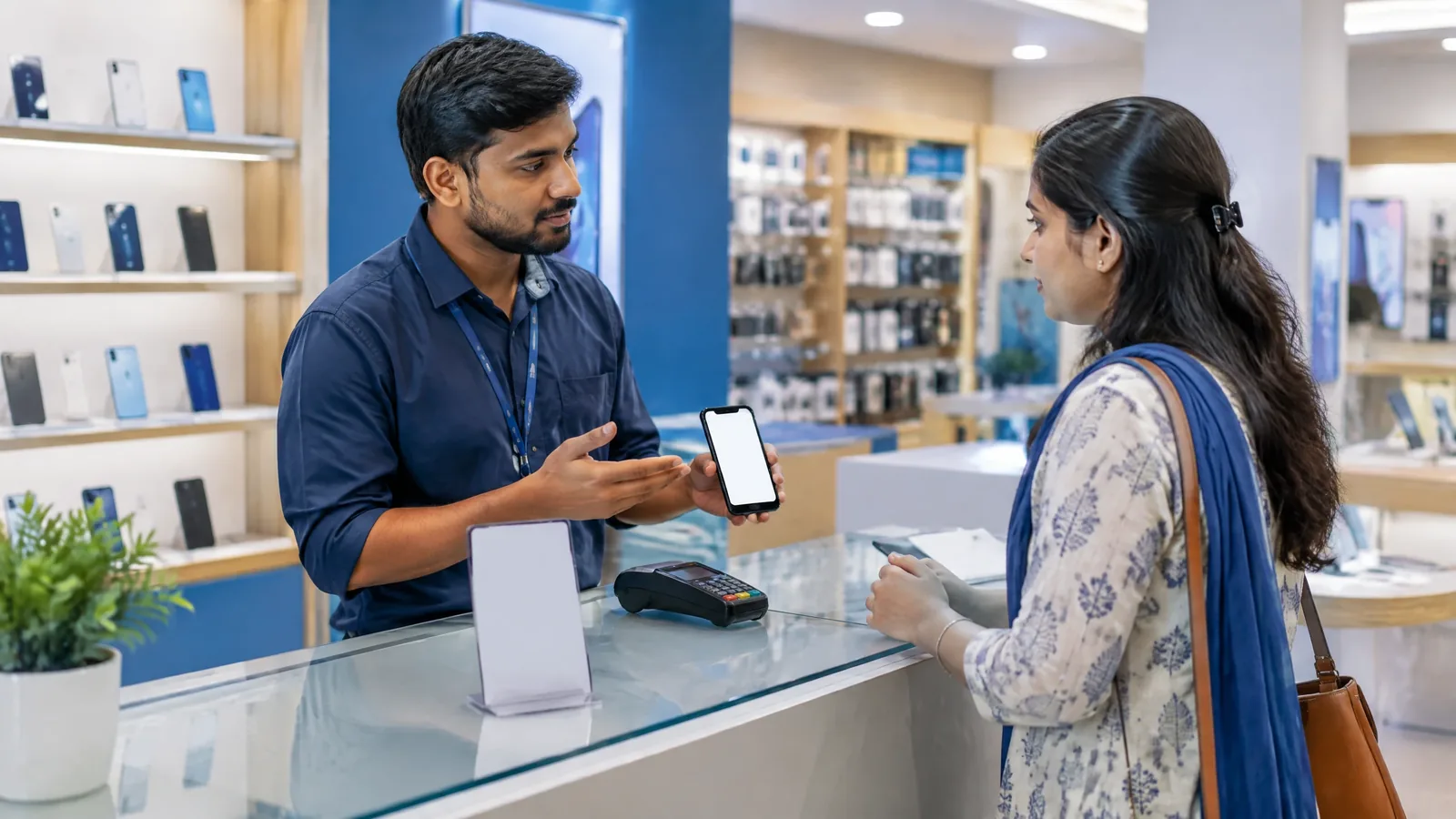
A Supreme Court hearing was scheduled for 28 September on a public-interest petition challenging the Centre’s UPI merchant discount rate framework. Hours later, the All India Mobile Retailers Association announced a separate 2 October action that it called No UPI Day. The first development is a pending court proceeding; the second is a planned association protest. Neither was a judgment, a stay, a government instruction or a nationwide UPI shutdown at the publication cutoff. [1] [2] [3] [4]
The two events concern the same merchant-fee framework but answer different questions. The petition tests its legal basis and process. AIMRA’s announcement shows how one retailer group says the fee could affect merchant acceptance and store economics. [1] [4]
What the challenged UPI MDR framework would change
The reports describe a framework scheduled to apply from 15 October 2026 to specified UPI person-to-merchant payments above ₹2,000. The reported standard rate is 0.4%. Payments of ₹75,000 and above would face a ₹300 cap, while specified essential or thin-margin sectors would face a flat ₹5 fee above the threshold. [1] [2]
Specified mutual-fund, securities, stockbroker and dealer payments were reported at 0.02%, capped at ₹300. Person-to-person payments and smaller merchant payments were reported as remaining free. These are the terms being challenged, not a new policy announced on 27 September and not a fee on every UPI transaction. [1] [2]
What the Supreme Court had—and had not—done
The 28 September cause list placed the matter before Chief Justice of India Surya Kant and Justices Joymalya Bagchi and V. Mohana. The petition reportedly challenges the Centre’s 14 September notification and the 15 September framework, alleges inadequate statutory safeguards, transparency and consultation, and names the Centre and RBI among the respondents. [1] [2] [3]
A listing is a procedural status, not a decision. The opened evidence did not establish that the Court had accepted the petition’s arguments, suspended the framework, approved the fee or issued a final order. Readers should check a later court order or reliable post-hearing report before treating the legal position as changed. [1] [2] [3]
What mobile retailers announced for 2 October
AIMRA said participating mobile retailers would symbolically cover UPI QR codes and refrain from accepting UPI payments on Gandhi Jayanti. The announcement was attributed to the association; it was not a government directive, an NPCI system notice or proof that all mobile retailers would participate. [4]
AIMRA estimated a monthly net loss of ₹2,000 to ₹12,000 for a small retailer processing ₹5 lakh to ₹30 lakh through UPI and an aggregate burden of about ₹40 crore a month, or ₹500 crore a year, for small mobile retailers. Those numbers are association estimates reported by Business Standard, not independently audited loss results. [4]
The operating question is merchant acceptance
UPI users experience a payment through an app, QR code or intent flow, but merchant acceptance depends on the economics and rules behind that interface. A fee can affect the merchant, acquiring bank, payment-service provider and acceptance design without changing the basic bank-to-bank payment instruction explained in the finorasjournal UPI guide. [1] [4]
A planned retailer protest would be local operating behaviour, not failure of the UPI rail. Customers should distinguish a merchant declining one payment method from a system-wide outage, and merchants should distinguish an association announcement from a binding instruction applying to every store. [4]
What evidence comes next
The next legal evidence is an official court order or reliable report of what happened at the hearing. The next policy evidence is an authoritative implementation notice that confirms the applicable transactions, exemptions, collection process and effective date. [1] [2] [3]
For the announced 2 October action, the useful evidence would be confirmed participation, locations and actual payment-acceptance effects. Until those records exist, the accurate status remains scheduled hearing and announced protest—not outcome, nationwide action or service disruption. [3] [4]